
The HbA1c test is one of the most valuable blood tests for diagnosing blood sugar levels. It is also known as the A1C test or glycated hemoglobin test. This test measures average blood sugar levels over the past three months. Unlike a regular blood sugar test, it shows how blood sugar levels have changed over time. That’s why doctors use it to screen for diabetes, detect prediabetes early, and track how well diabetes is managed.
If you’re looking for an HbA1c test at Hindmotor, it’s important to understand what this test measures, how your results are calculated, and why routine testing is beneficial. Knowing the facts about this important blood test can help simplify diabetes management. Your A1C test results aren’t just a number on a lab report. They can provide significant insight into long-term blood sugar levels and help your doctor determine if further testing or treatment is needed.
What Is An HbA1c Test?
Red blood cells live for about 3 to 4 months in the body. As glucose moves through the blood, it sticks to hemoglobin, a protein in red blood cells.
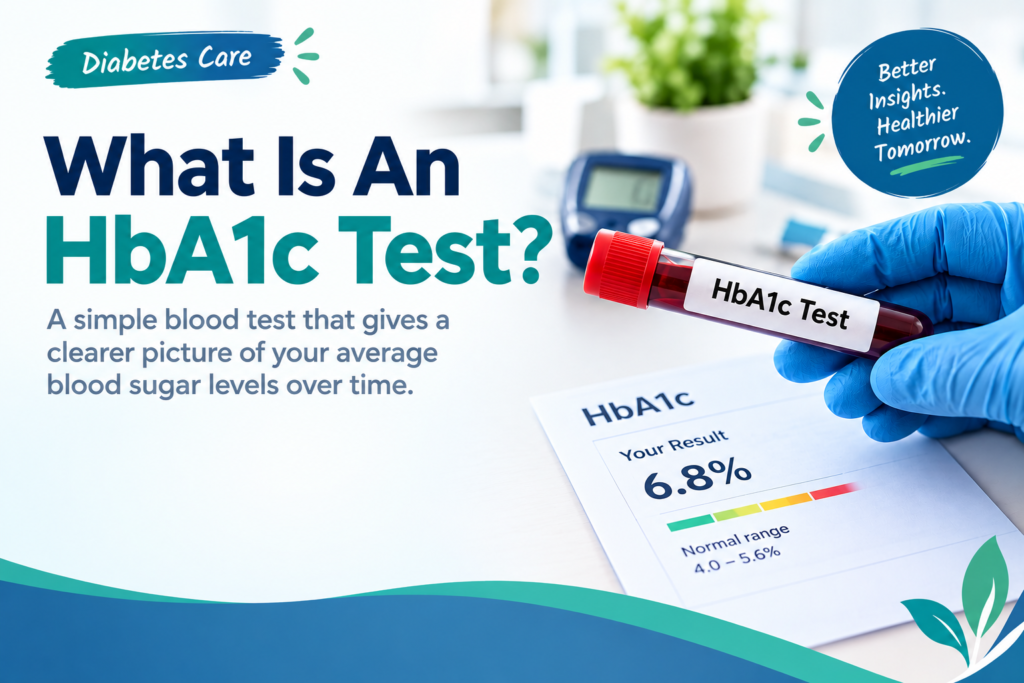
An HbA1c Test measures the percentage of hemoglobin in red blood cells. This test reflects the average glucose level over the previous 90- 120 days. It’s basically a window into average blood sugar levels over the past few months. Glucose levels can change within the day for many reasons (eating, working out, stress, illness, medications).
Blood sugar levels can change throughout the day because of food, exercise, stress, illness, and other factors. A single blood sugar reading may not show the complete picture. The HbA1c test helps doctors understand overall blood sugar patterns. One main advantage is that patients don’t have to fast for this test, unlike other glucose tests. However, if your doctor has prescribed other blood tests at the same time, you may be given separate fasting instructions.
What Does HbA1c Measure?
The glycated hemoglobin(HbA1c) is a better indicator. It measures average blood glucose exposure over the previous two to three months. The test reflects the percentage of haemoglobin with glucose attached. As blood glucose passively cycles through the body, it bonds with hemoglobin, the iron-based oxygen carrier inside red blood cells. Since red blood cells live on average only about 120 days, the percentage of glycated hemoglobin reflects long-term (over a period of about one to three months) glucose in the blood. That’s why doctors often use HbA1c along with other blood sugar tests, symptoms, medical history, diet, exercise, and other health information
While HbA1C testing is an important diagnostic tool to determine prediabetes and type 2 diabetes, it is a cornerstone of continued monitoring of diabetes status. For people who already have diabetes, this test can also analyze whether their treatment, diet, exercise patterns, and other clinical parameters are helping control blood sugar.
HbA1c Levels and Diabetes
Glycated hemoglobin levels are represented as a percentage (%) or in mmol/mol with HbA1C results. An HbA1c of 5.7% to 6.4% is characterised by prediabetes, defined as non-diabetic hyperglycaemia that increases the risk for type 2 diabetes and cardiovascular disease (CVD). A level of 6.5% or above indicates diabetes. If you do not show signs of hyperglycemia, repeat the test if the result is abnormal or confirm with a test.
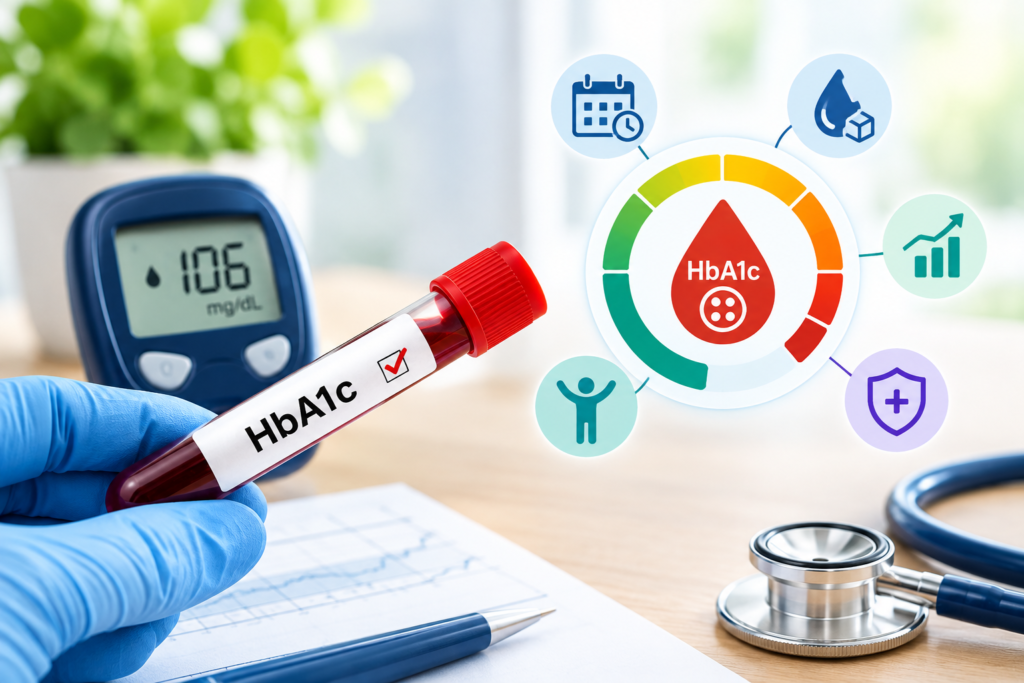
HbA1c targets are individualized for the patient with diabetes. Although the target of <7.0% is the usual glycemic control target for non-pregnant adults to minimize microvascular risks, targets for older adults or those with severe hypoglycemia risk and comorbidities are less strict (<7.5% or 8.0%). In pregnancy or early diagnosis, stricter goals apply. Structured targets optimize long-term protection while balancing treatment burden and hypoglycemia risks.
Continuous elevated blood sugar levels can increase the risk of diabetes-related problems, and prolonged high blood glucose levels lead to a higher risk of developing complications. For example, someone may have a normal blood sugar reading on the day of testing but still have a high HbA1c. This can happen if their blood sugar has been high at times. On the other hand, a temporary increase in blood sugar may not have a major effect on the HbA1c result. For this reason, HbA1c should not be looked at alone. Doctors usually consider the result along with other test results and the person’s overall health.
Who Should Take an HbA1c Test?
An HbA1c Test may be recommended for people who have a higher risk of developing prediabetes or type 2 diabetes. HbA1c is also used for ongoing diabetes management.
Risk factors can include:
- Being overweight or having excess weight
- Having a family history of type 2 diabetes
- High blood pressure
- Other metabolic health problems
- A previous diagnosis of prediabetes
- Symptoms or test results that suggest high blood sugar
This test may be useful for people in high-risk groups for diabetes because they may not have any symptoms yet. Diabetes and prediabetes, in some cases, go undetected for long periods of time. The frequency of testing depends on the individual. Someone with stable diabetes may need less testing, while a person who has recently changed their treatment may need more frequent testing. Your doctor can recommend the right testing schedule based on your condition.
Does HbA1c Require Fasting?
Most HbA1c tests do not require fasting. You can generally have the test after eating or drinking normally. It’s one reason why the test may be a convenient alternative to some fasting blood glucose tests. However, if your doctor has ordered HbA1c along with other blood tests, you may need to follow the instructions for those tests.
When Are You Not Able to Rely on the HbA1c Results?
HbA1c is a useful test but not appropriate in every situation; it has limitations. It can give wrong results for patients with anaemia (related to kidney and liver issues) and conditions that alter hemoglobin levels. Before making any clinical decisions based on an HbA1c test, a healthcare professional needs to evaluate the patient’s overall health. If your HbA1c result doesn’t match regular blood sugar readings or your symptoms, your doctor may recommend additional tests.
HbA1c Testing in Hindmotor
The HbA1c test is just an evaluation of diabetes. If you are looking for an HbA1c test in Hindmotor, choosing a reliable diagnostic center and qualified medical professional ensures you receive accurate testing and proper guidance. A healthcare professional can also explain what your result means and whether you need any further tests or follow-up. This test can be useful to check the risk of prediabetes or diabetes.
Your doctor may also check your fasting blood glucose, blood pressure, cholesterol, weight, medications, diet, physical activity, and other health factors. This broader perspective may help you to interpret HbA1c results rather than seeing them as single values. Regular testing can help track changes in blood sugar and allow your doctor to make suitable changes to your treatment or lifestyle plan when needed.
Conclusion
The HbA1c test is one of your best tools as it reflects average blood glucose levels over the past few months (more often than not the last 3 to 5). It has the potential to help diagnose prediabetes and diabetes, as well as assist in long-term monitoring for individuals with a current diagnosis of diabetes. This test usually does not require fasting. However, certain health conditions can affect the result, so it should always be interpreted alongside other test results and medical history.
So, anyone looking for the HbA1c test in Hindmotor can get help from an expert to explain the significance of a particular test and whether more treatment is required. Early testing and regular monitoring can help you take timely steps towards better blood sugar management.